

Guadalajara public transport combines Mi Tren rail lines with bus rapid transit (BRT) and feeder routes across the metropolitan area. For getting around the centre, the useful details are which rail line serves each station, where systems connect and what fares and service hours apply.
- Network: SITEUR’s metropolitan network has four rail lines, three BRT lines and nine feeder routes, covering 116 km.
- Nearby rail stations: San Juan de Dios and Belisario Domínguez are on Line 2; Independencia is on Line 3.
- Service hours: Lines 1–3 and Line 4 have different daily schedules.
- Fare basics: The full fare is MXN 11, payable with exact cash, and the preferential fare is MXN 5.50 for eligible Mi Pasaje cardholders.
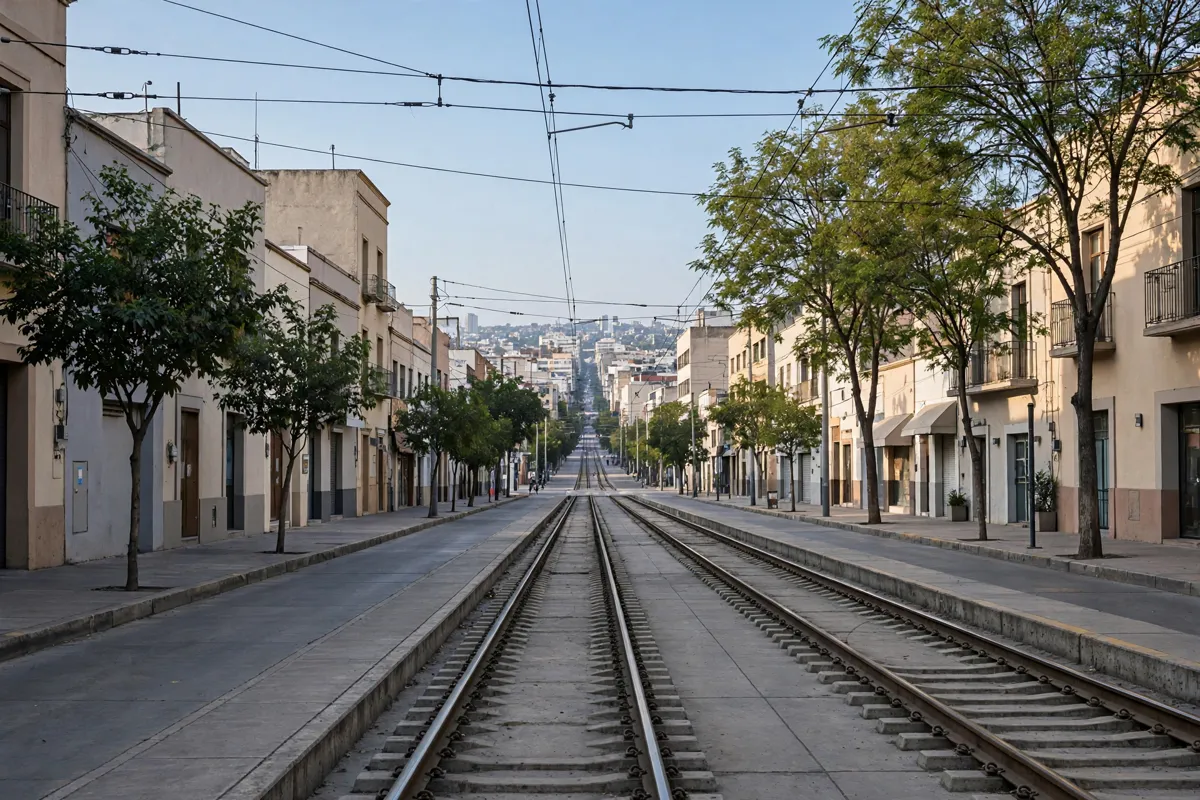
How Guadalajara’s urban rail network works
Guadalajara’s Mi Tren network has four rail lines, while the wider SITEUR system also includes BRT and feeder routes. The rail lines cross different parts of the metropolitan area, so check the line and transfer points that match your route rather than assuming every station serves the same corridor.
Lines 1 and 2 have operated since 1989 and 1994, respectively. Line 1 follows the Federalismo–Colón corridor from south to north. Line 2 runs along the Javier Mina–Juárez corridor through 10 underground stations.
Line 3 connects Zapopan, Guadalajara and Tlaquepaque. It is 21.5 km long, with an approximate end-to-end journey time of 33 minutes. Those details can help when planning a trip across the metropolitan area, though the actual route depends on your starting point and destination.
For a day focused on the historic centre, compare the rail route with the distance between sights before setting out. A one-day route through Guadalajara’s historic centre can help you place transit within a wider walking itinerary.
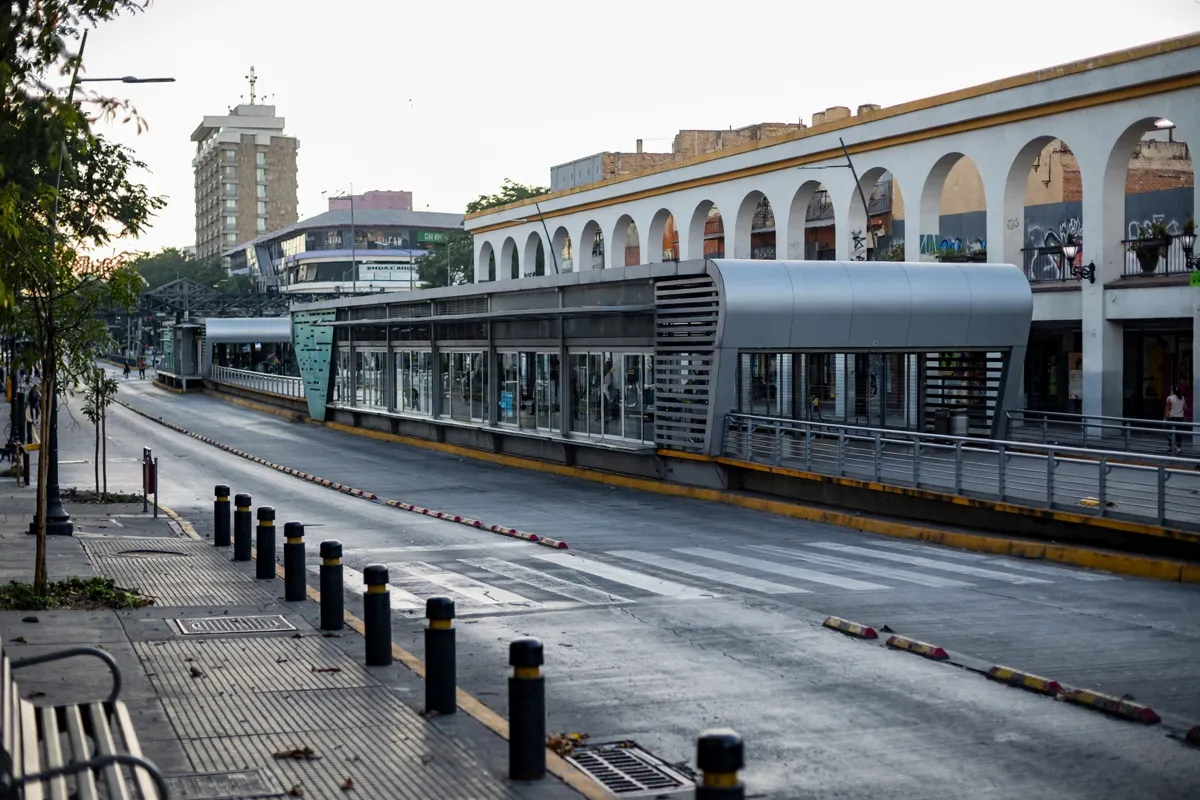
Rail and BRT connections at central stations
San Juan de Dios is the closest of the three mapped rail stations to Hotel Gallo, at about a six-minute walk; the hotel offers rooms for exploring Guadalajara by public transport. The station is on Line 2 and sits beside the San Juan de Dios stop on Mi Macro Calzada, making it a connection point between rail and BRT.
Belisario Domínguez is also on Line 2. Independencia serves Line 3 and connects with Mi Macro Calzada at Bicentenario station. Use the station name and line together when checking a route, especially if you plan to change systems.
San Juan de Dios is also beside Mercado Libertad, commonly known as the San Juan de Dios market. If the market is part of your plans, this guide to Mercado Libertad covers what to know before visiting.
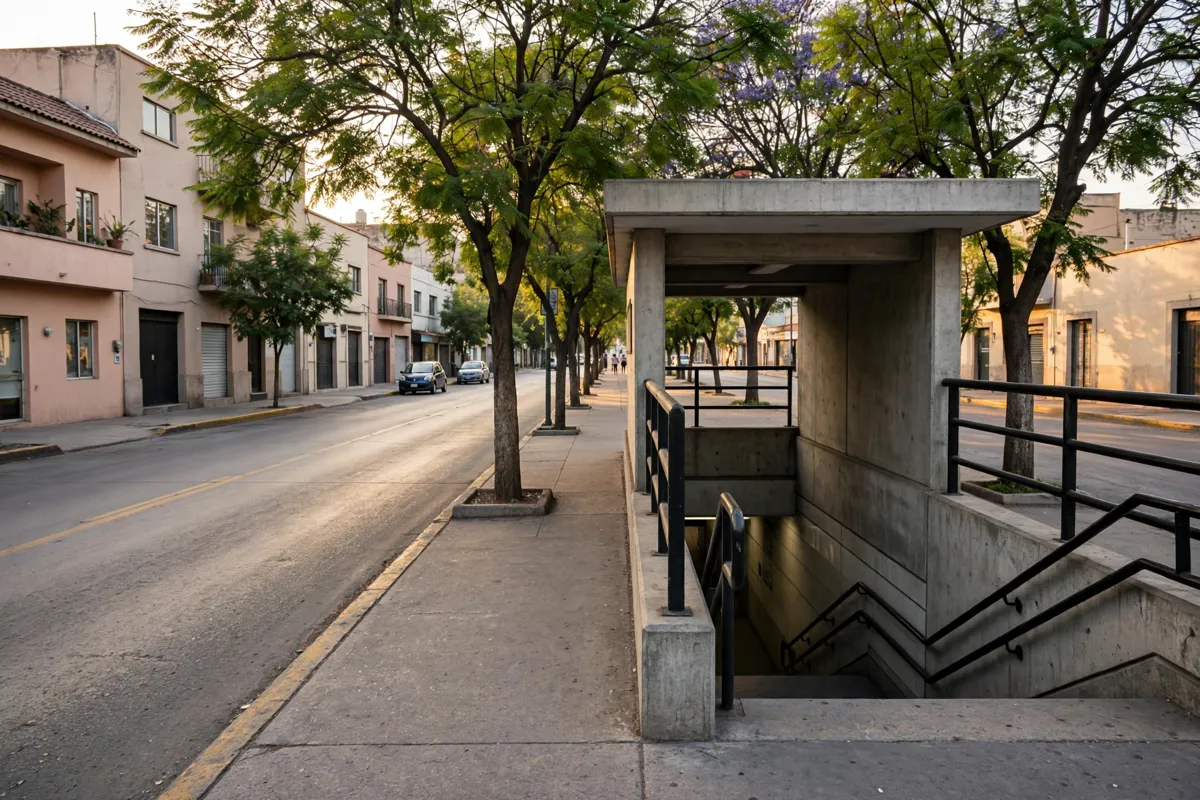
Fares, cards and service hours to check
Mi Tren runs from 05:00–23:00 Monday to Sunday on Lines 1, 2 and 3, and from 04:50–23:00 Monday to Sunday on Line 4. Mi Transporte Tren Ligero operates from 04:30–23:30. Hours and fares can change, so check the official site before you go.
The full fare is MXN 11, payable with exact cash. Eligible Mi Pasaje cardholders pay the preferential fare of MXN 5.50.
The Mi Movilidad full-fare card costs MXN 30 and is available at vending and recharge machines at Mi Tren Lines 1, 2 and 3 stations, Mi Macro Calzada stations and some SITREN stops. You can also recharge the card at those machines and at OXXO stores.
Transfers between Mi Tren Lines 1, 2 and 3 are free. If you use a Univiaje ticket to transfer between Line 1 or 2 and Line 3, keep the QR code to receive the free transfer.
An electronic full-fare card also gives you a 50% fare on the second trip when transferring between Mi Tren and Mi Transporte Tren Ligero, or between Mi Tren and Mi Macro; each transfer has a maximum window of 15 minutes.
Mi Tren vending and recharge machines accept MXN 200, 100, 50 and 20 bills, and MXN 10, 5, 2, 1 and 0.50 coins. The machines do not give change, so bring the amount you intend to use.
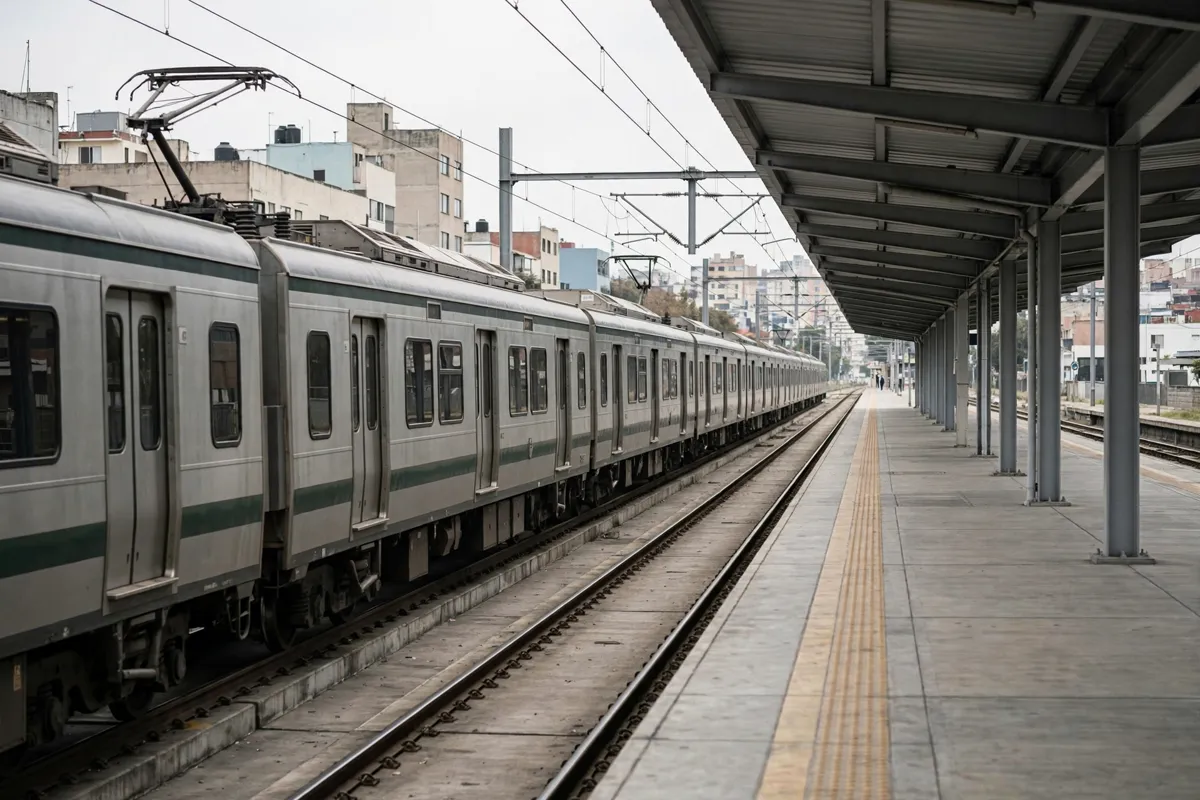
Choosing transit for central sights and day trips
For a trip within the centre, check whether a rail station lies on the route and whether you can make the journey directly or need to transfer. Line 2 serves San Juan de Dios and Belisario Domínguez, while Line 3 serves Independencia and continues across Guadalajara’s metropolitan area toward Zapopan and Tlaquepaque.
For journeys that combine rail with BRT, the San Juan de Dios and Bicentenario connections are useful points to check on your route. Confirm the line names and transfer rules before travelling, since fares differ by ticket or card type.
If your plans include the airport as well as the centre, this guide to travelling from Guadalajara Airport to the city centre covers that separate leg of the trip.
FAQs
What is Guadalajara’s metro called?
The urban rail service is called Mi Tren. It is part of SITEUR’s wider metropolitan network, which also includes BRT lines and feeder routes.
Which Mi Tren line serves San Juan de Dios?
San Juan de Dios is a Line 2 station. It connects with Mi Macro Calzada beside the station.
Can you transfer between Mi Tren lines without paying again?
Transfers between Lines 1, 2 and 3 are free. With a Univiaje ticket, keep the QR code when transferring between Line 1 or 2 and Line 3.
What should you check before travelling?
Check current service hours, fares and transfer conditions on SITEUR’s official site before your trip.